
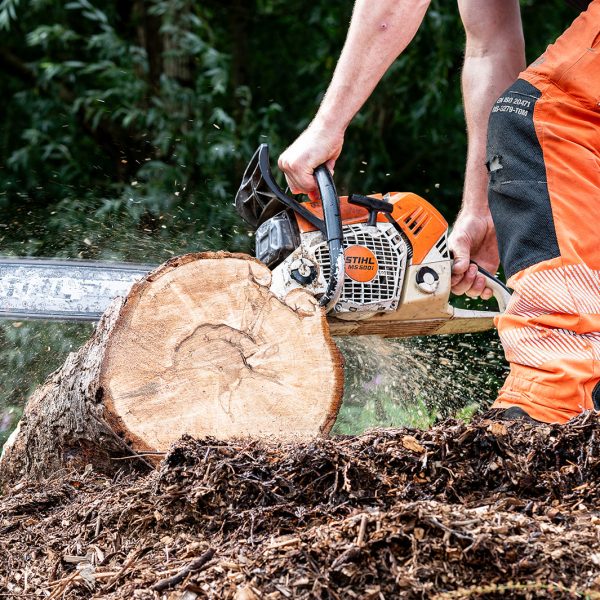
When homeowners compare removal options, stump grinding usually wins because it’s faster, cleaner, and far less disruptive than digging a stump out by hand. Here’s why stump grinding is often the smarter choice.
What is stump grinding, and what does it actually remove?
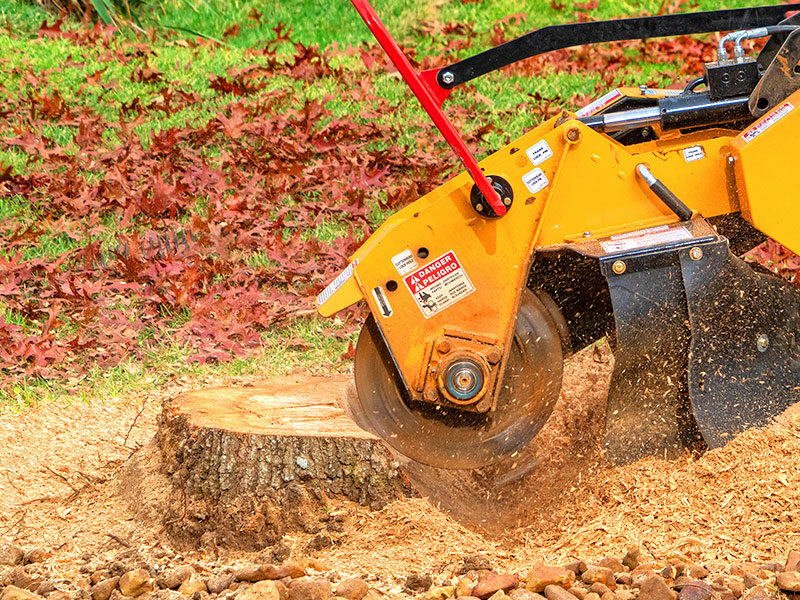
tree stump grinding removes the visible stump by shredding it into wood chips with a rotating cutting wheel. It typically grinds the stump down to several inches below ground level so the area can be covered with soil and re-seeded or replanted.
It does not pull out the entire root system. Instead, the remaining roots are left to naturally decay over time, which is usually fine for most yards.
Why is manual stump removal so difficult in practice?
Manual removal means digging around the stump, cutting roots, and trying to lever or pull the stump out of the ground. In real soil conditions, that often turns into hours or days of heavy labor.
Stumps can be anchored by thick lateral roots, taproots, and compacted ground. Add rocks, clay soil, or limited access, and manual removal becomes a frustrating project with unpredictable effort.
How does stump grinding save time compared to digging?
Stump grinding is designed for speed. A grinder can reduce a stump to chips in a relatively short visit, even when the stump is wide or the wood is dense.
Manual removal has too many variables. Root spread, soil moisture, and access all slow the process down, and there’s no clear finish line until the stump is finally out.
Why is stump grinding less disruptive to the yard?
Grinding focuses on the stump itself, so the surrounding lawn and landscaping usually stay intact. The machine sits over the stump and works downward without needing a wide excavation zone.
Manual removal requires trenching around the stump and chasing roots outward. That can destroy turf, disturb nearby plants, and leave a large crater that needs filling, leveling, and reseeding.
Is stump grinding safer than manual removal?
In most cases, yes. Grinding is usually handled by trained operators using the right equipment, protective gear, and safe work zones. The process is controlled and repeatable.
Manual removal often involves axes, saws, pry bars, chains, or even vehicles. Those methods increase the risk of strains, crushed fingers, tool kickback, and damage to nearby fences, patios, or irrigation lines.
Why does stump grinding typically cost less than full removal?
Grinding is efficient, and many professionals price it by stump diameter, access, and complexity. Because there’s no major excavation or hauling of a massive stump ball, labor and cleanup are often lower.
Manual removal can look “free” if they do it themselves, but costs show up in tool rentals, disposal fees, and time. If they hire it out, full extraction often costs more due to digging, hauling, and site restoration.
What happens to the roots after grinding?
The remaining roots stay underground and gradually break down. For most residential properties, that’s not a problem because the roots are no longer feeding a living tree and will decay naturally.
If they plan heavy construction in the exact spot, they should ask whether deeper grinding or partial root removal is needed. For lawns, garden beds, and typical landscaping, decay is usually a non-issue.
Does stump grinding prevent regrowth better than manual methods?
Grinding greatly reduces regrowth risk because it removes the stump’s core structure and lowers it below soil level. Many species stop trying to sprout once the stump is gone and light can’t reach it.
Manual removal can be hit-or-miss when they leave substantial stump wood or major roots behind. If regrowth is a concern, they can ask about grinding depth and whether any sprouting species in their region need follow-up treatment.
How does stump grinding help with pests and decay issues?
A stump left above ground can attract termites, ants, beetles, and fungi. Grinding removes the main decaying mass that pests often colonize near the surface.
Manual removal can also solve this, but the stump may sit around for days while they work, and the disturbed soil can invite other issues. Grinding typically resolves the problem quickly and reduces lingering debris.
What should they expect for cleanup and next steps after grinding?
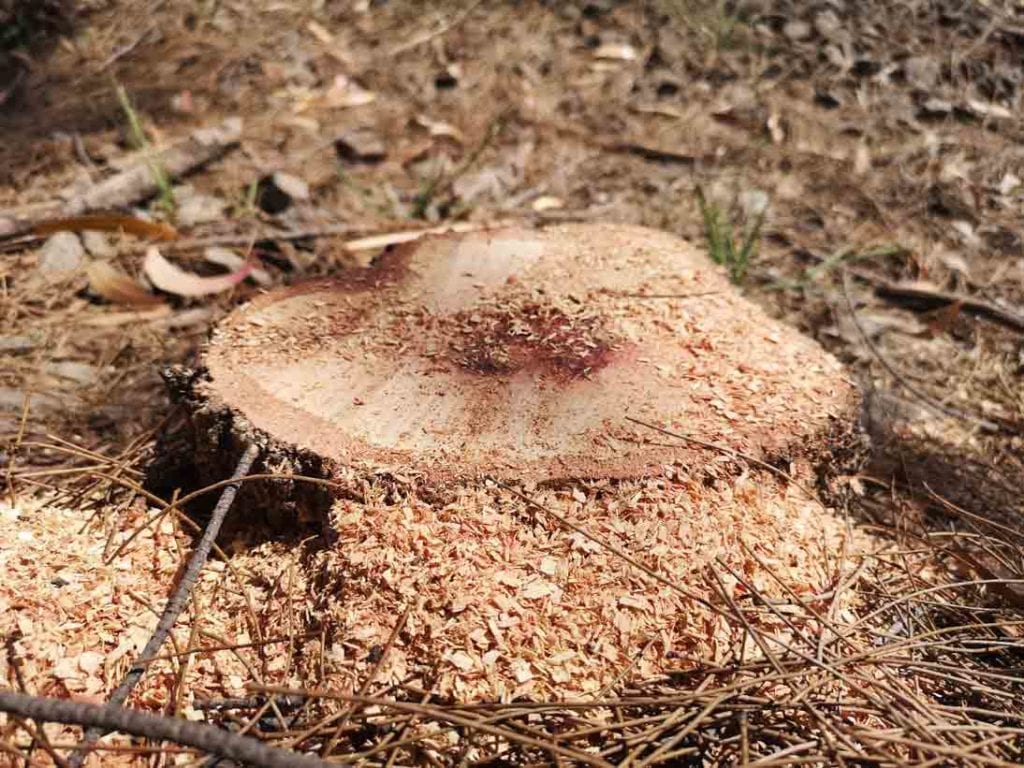
Grinding produces a pile of wood chips and mixed soil around the grind area. They can use those chips as mulch elsewhere, or the crew can haul them away if that’s included.
Afterward, they usually add topsoil to level the spot and seed it, or they can plant something new once the area is stable. If they want immediate turf results, they should ask for chip removal and proper backfill.
When might manual removal still make sense?
Manual removal can be reasonable for very small stumps, soft soils, and situations where they need every root out for a specific build. It can also work when they already have equipment and experience.
Even then, many people underestimate how large and stubborn roots can be. For most average yard stumps, grinding is the more predictable option with fewer surprises.
What’s the simplest way to decide between grinding and digging?
If they want a fast, low-disruption solution that restores the area for lawn or landscaping, stump grinding is usually the better choice. If they need total root extraction for construction, or the stump is tiny and accessible, manual removal may be worth considering.
For most homeowners, the decision comes down to this: grinding removes the problem with less mess, less risk, and far less effort than trying to muscle a stump out of the ground.
FAQs (Frequently Asked Questions)
What is stump grinding and how does it work?
Stump grinding is a process that removes the visible tree stump by shredding it into wood chips using a rotating cutting wheel. It typically grinds the stump down several inches below ground level, allowing the area to be covered with soil and re-seeded or replanted. This method does not remove the entire root system but leaves roots to naturally decay over time.
Why is stump grinding preferred over manual stump removal?
Stump grinding is faster, cleaner, and less disruptive than manual removal. Manual removal involves digging around the stump, cutting roots, and exerting heavy labor which can take hours or days depending on root spread and soil conditions. Grinding efficiently reduces the stump to chips in a short time without extensive excavation or damage to surrounding landscaping.
Is stump grinding safer than manually removing a stump?
Yes, stump grinding is generally safer as it is performed by trained operators using specialized equipment and protective gear within controlled work zones. Manual removal often requires tools like axes, saws, pry bars, or even vehicles, increasing risks of injury such as strains, crushed fingers, tool kickback, and potential damage to nearby structures.
How does stump grinding affect pests and decay issues in the yard?
Grinding removes the main decaying mass of the stump that can attract pests such as termites, ants, beetles, and fungi. By eliminating this surface decay quickly and thoroughly, stump grinding reduces pest colonization risks compared to leaving stumps above ground for extended periods during manual removal.
What happens to tree roots after stump grinding?
After grinding removes the visible stump portion, the remaining roots stay underground and gradually decompose naturally since they no longer feed a living tree. For typical lawns or garden beds, this natural decay poses no problems. However, for heavy construction at the site, deeper grinding or partial root removal may be necessary.
When might manual stump removal be a better option than grinding?
Manual removal may make sense for very small stumps in soft soils where complete root extraction is required for specific construction projects. It can also be feasible if homeowners have the right equipment and experience. Nonetheless, most average yard stumps are better handled by grinding due to its predictability and lower effort.
See Also: Tree and stump removal: can they be done together?