
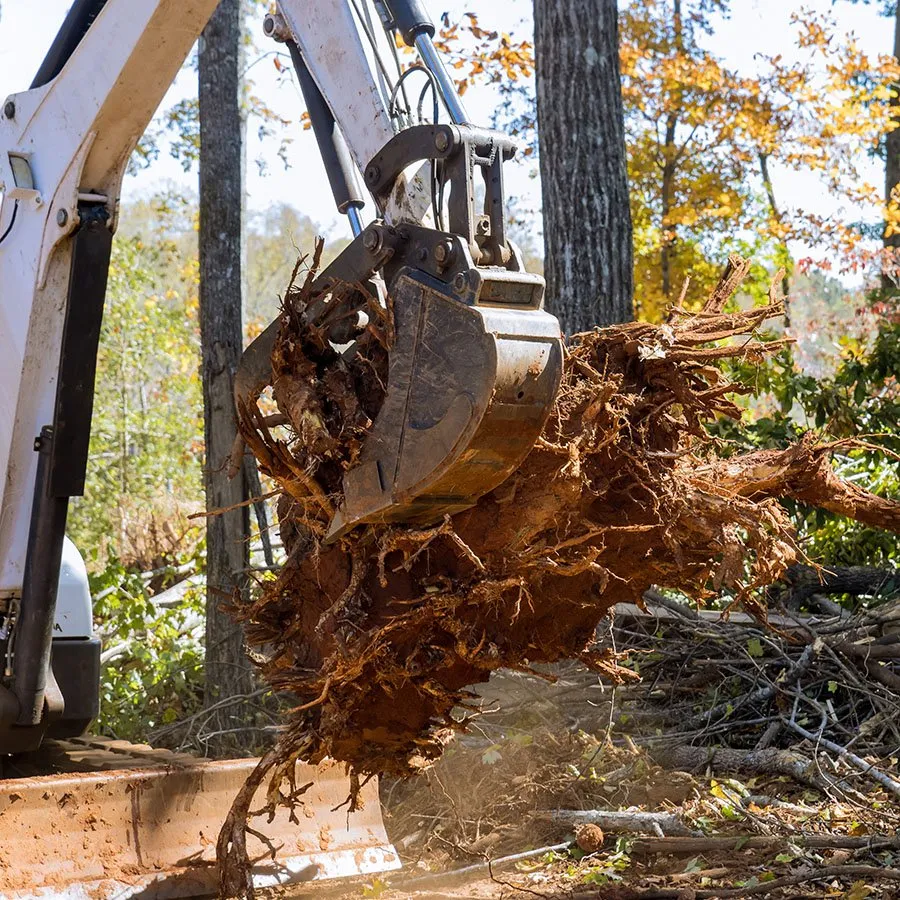
Doing both in one visit is usually faster and can reduce repeat setup costs. Still, there are times when scheduling stump work later is the smarter and safer choice.
Can tree removal and stump removal be done in the same visit?
Yes, tree and stump removal can be done together when the crew has the right equipment on site and clear access to the stump area. If the tree is being felled or dismantled cleanly, the stump can often be ground right after the trunk and limbs are cleared.
The key constraint is logistics. Stump grinders need room to maneuver, stable ground, and a path that will not damage fences, paving, or landscaping.
Does tree removal automatically include stump removal?
No, stump removal is usually a separate line item. Many tree removal jobs include cutting the trunk close to ground level, then leaving the stump in place unless stump grinding or full stump extraction is specifically requested.
This separation exists because stump work requires different tools, added time, and extra cleanup. It also may involve decisions about how deep to grind and what to do with the mulch and roots afterward.
Why do some companies recommend doing both at once?
They recommend it because it reduces duplicate labor and simplifies site cleanup. When the tree debris is already being hauled away, it is easier to coordinate grinding, manage wood chips, and restore the area.
It can also prevent delays caused by weather or scheduling. If the stump remains, it may become a recurring obstacle for mowing, landscaping, or replanting plans.
When is it better to remove the stump later?
It is better to wait when the ground is saturated, access is limited, or the property owner is still deciding what to do with the area. Stump grinding can create ruts on soft soil, and moving heavy equipment through tight spaces can increase the risk of damage.
Waiting can also help when permits, utility marking, or HOA approvals are pending. In those situations, completing the tree removal first keeps the property safe while details are finalized.
What are the main methods for stump removal?
The most common method is stump grinding, which reduces the stump to wood chips below the surface. It is typically faster and less disruptive than digging out the entire root ball.
Full stump extraction removes more of the root structure but usually requires heavier equipment and creates a larger hole. Chemical decay, burning, and manual removal exist too, but they are slow, messy, or restricted in many areas.
How does stump grinding affect the yard and cleanup?
Grinding produces a pile of chips mixed with soil, and the volume can surprise people. Those chips can be hauled away, used as mulch elsewhere, or left to settle, depending on the plan for the space.
The ground may sink over time as remaining roots decompose. If they plan to add sod, pavers, or a new tree, they usually need topsoil, compaction, and a clear approach for future drainage.
What should be checked before doing stump removal on the same day?
They should confirm utility marking, access width, and what is under or near the stump. Underground lines for irrigation, landscape lighting, gas, electric, and internet can be closer than expected, especially in older yards with undocumented changes.
They should also clarify grind depth. A shallow grind may be fine for grass, while patios, driveways, or replanting often require deeper grinding or partial root removal.
Can the stump be removed if the tree was taken down by emergency work?
Sometimes, but not always immediately. Storm response crews often focus on clearing hazards, reopening driveways, and preventing further damage, which may mean leaving stumps until conditions stabilize.
If they want stump removal soon after emergency service, they should ask whether the same provider offers follow-up grinding and when it can be scheduled once debris, mud, and access issues are resolved.
Does removing the stump help prevent pests or regrowth?
Yes, it often helps. Some species can sprout from the stump or connected roots, and leaving it in place can lead to persistent shoots that require repeated cutting or herbicide treatment.
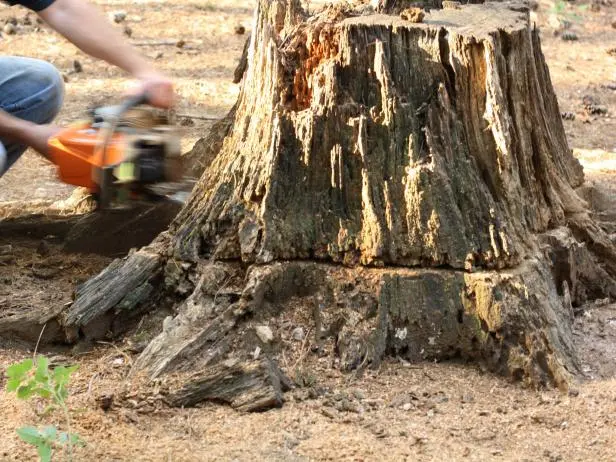
Old stumps can also attract insects and fungal decay. While not every stump causes problems, removing or grinding it reduces the chance of regrowth and makes inspections and maintenance easier.
How do they decide whether “together” is worth it?
They should decide based on budget, timeline, and the intended use of the space. If they want a clean lawn, a garden bed, or construction work soon, combining services can avoid delays and extra site visits.
If they are unsure about landscaping, or access is risky, spacing it out can protect the property. The best approach is a written quote that separates tree removal, stump work, disposal, and restoration so they can compare options clearly.
What should they ask for in a quote before booking?
They should ask whether stump grinding is included, how deep it will be, and what happens to the chips. They should also confirm whether roots will be addressed, whether the area will be backfilled, and whether cleanup includes raking, hauling, and repairing tracks or divots.
They should also request proof of insurance and a clear scope of work. When both services are done together, clarity prevents surprises after the tree is gone and the yard is torn up.
Can they do tree and stump removal together safely?
Yes, when it is planned properly. The safest jobs are the ones where utilities are marked, access is confirmed, equipment matches the site, and the crew has a clear plan for protecting nearby structures and landscaping.
Tree and stump removal can be done together, but it is not automatically bundled. If they want a finished, usable space, they should request stump removal upfront and confirm the details before the work begins.
FAQs (Frequently Asked Questions)
Does tree removal automatically include stump removal?
No, tree removal usually does not include stump removal. Stump removal is typically a separate service because it requires different tools, additional time, and extra cleanup. Many tree removal jobs cut the trunk close to ground level and leave the stump unless stump grinding or full extraction is specifically requested.
Can tree removal and stump removal be done in the same visit?
Yes, tree removal and stump removal can be done together when the crew has the right equipment, clear access to the area, and conditions are safe. Combining both services in one visit is often faster and reduces repeat setup costs, but logistics such as space for equipment and property owner goals must align.
Why do some companies recommend removing the tree and stump at the same time?
Companies recommend doing both at once because it reduces duplicate labor, simplifies site cleanup, and prevents delays caused by weather or scheduling. Coordinating debris hauling with stump grinding makes managing wood chips easier and helps avoid obstacles for mowing, landscaping, or replanting plans later on.
When is it better to schedule stump removal separately after tree removal?
It’s better to remove the stump later when ground conditions are saturated or access is limited, which can risk damage from heavy equipment. Also, if permits, utility marking, HOA approvals are pending, or if the property owner is undecided about the area’s future use, waiting ensures safety and flexibility.
What are the common methods for removing a tree stump?
The most common method is stump grinding, which grinds the stump below ground level into wood chips quickly and with minimal disruption. Full stump extraction removes more of the root system but requires heavier equipment and leaves a larger hole. Other methods like chemical decay or burning exist but are slower or restricted in many areas.
How does stump grinding affect yard cleanup and restoration?
Stump grinding produces a pile of wood chips mixed with soil that can be removed, used as mulch, or left to settle depending on plans for the space. The ground may sink over time as roots decompose, so adding topsoil, compacting soil properly, and ensuring good drainage are important steps before adding sod, pavers, or planting new trees.
See Also: Tree stump grinding: why it’s better than manual removal